
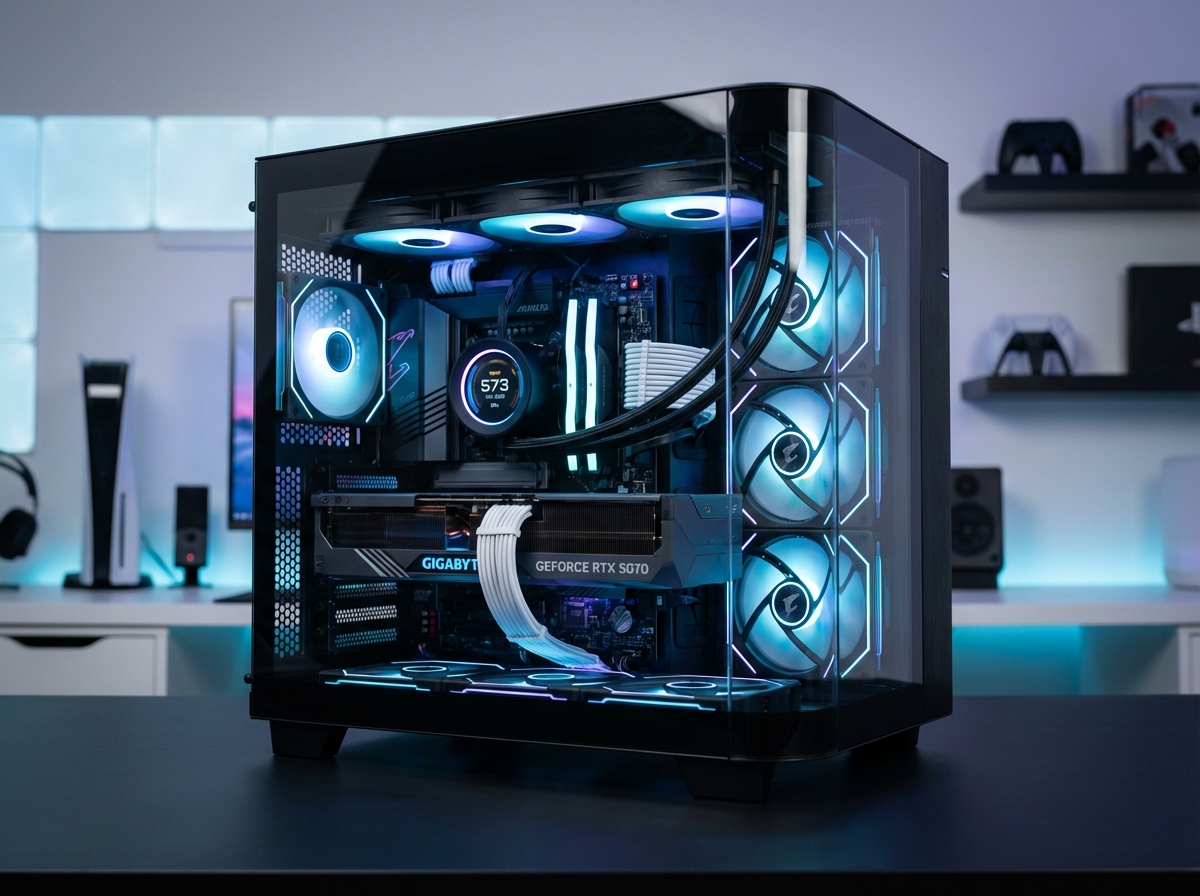
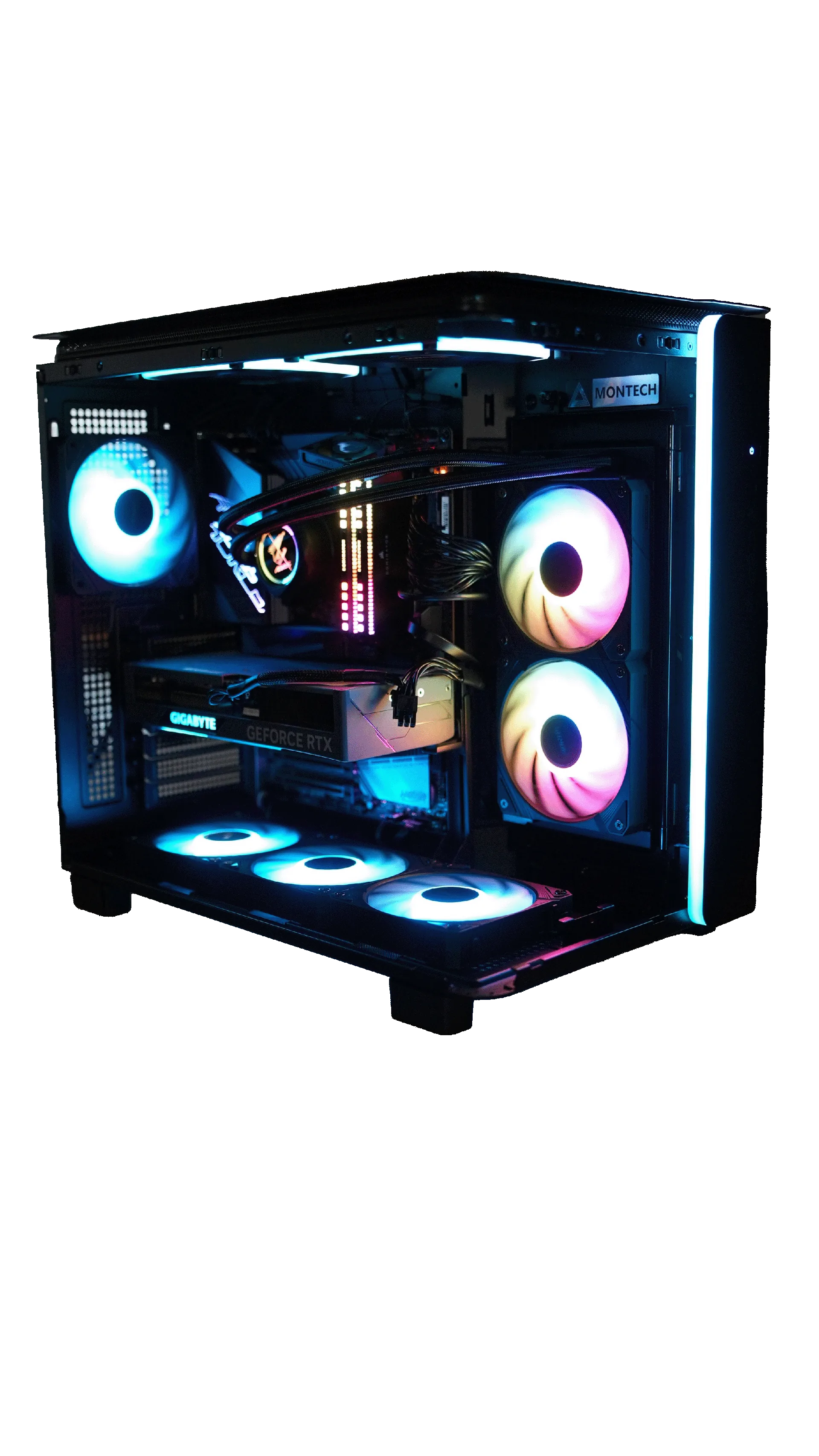
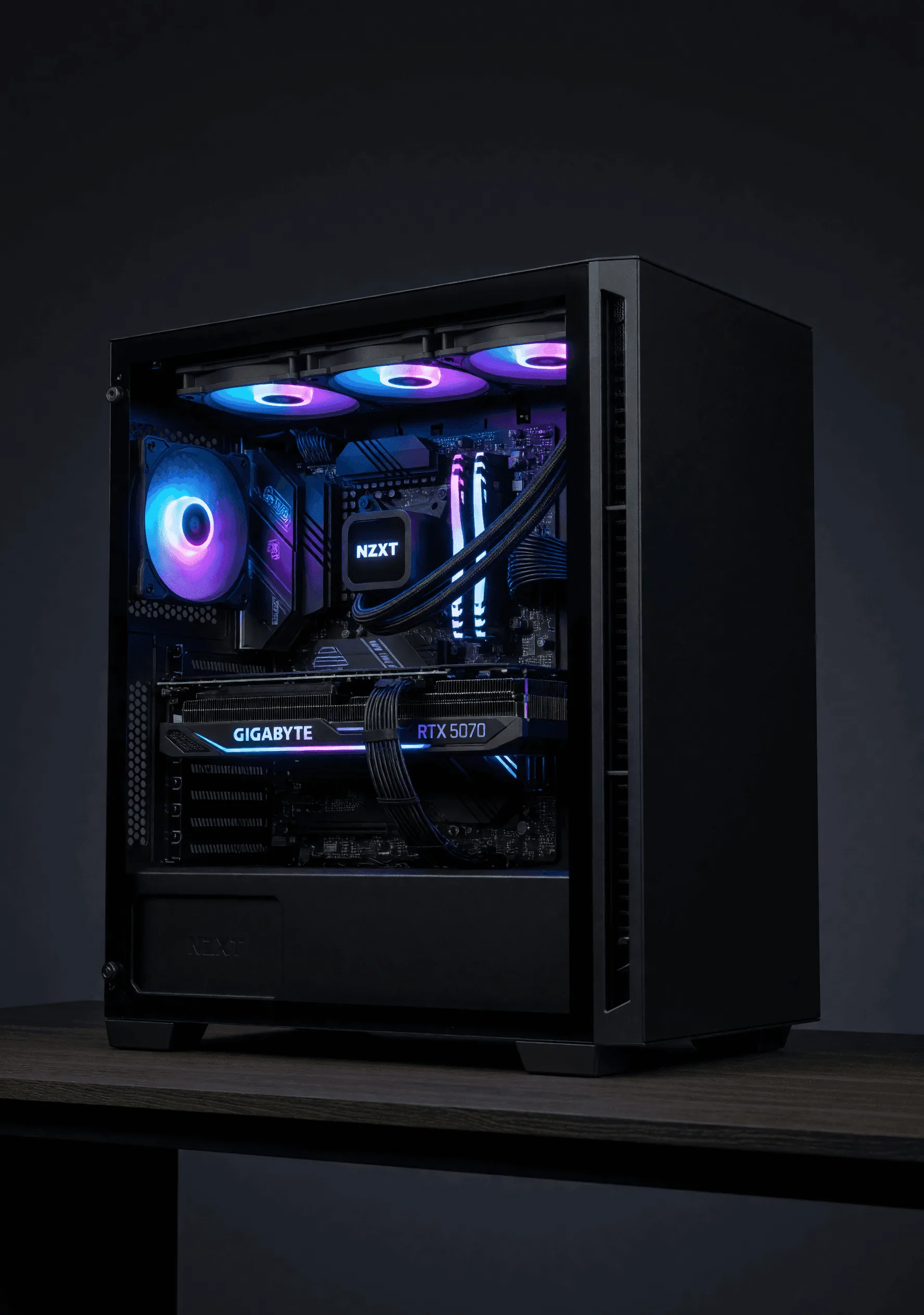

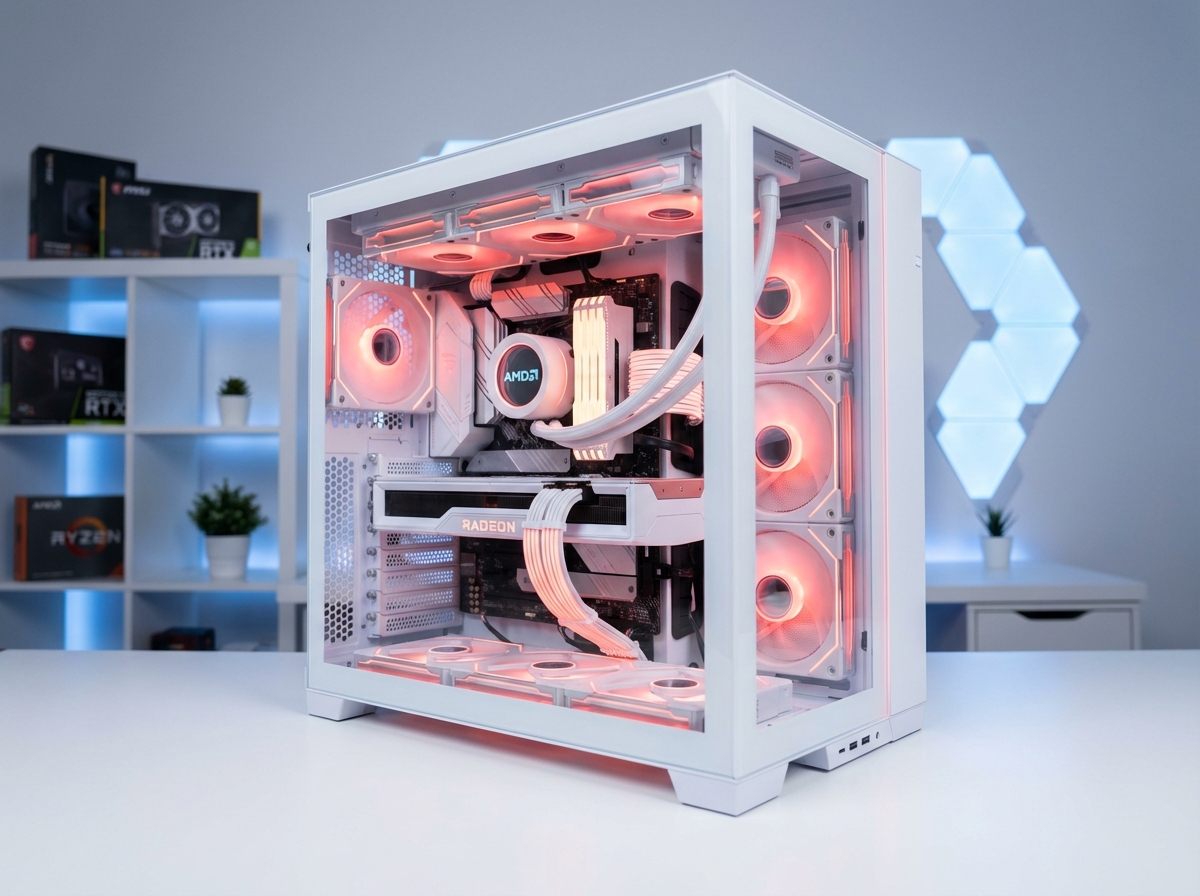
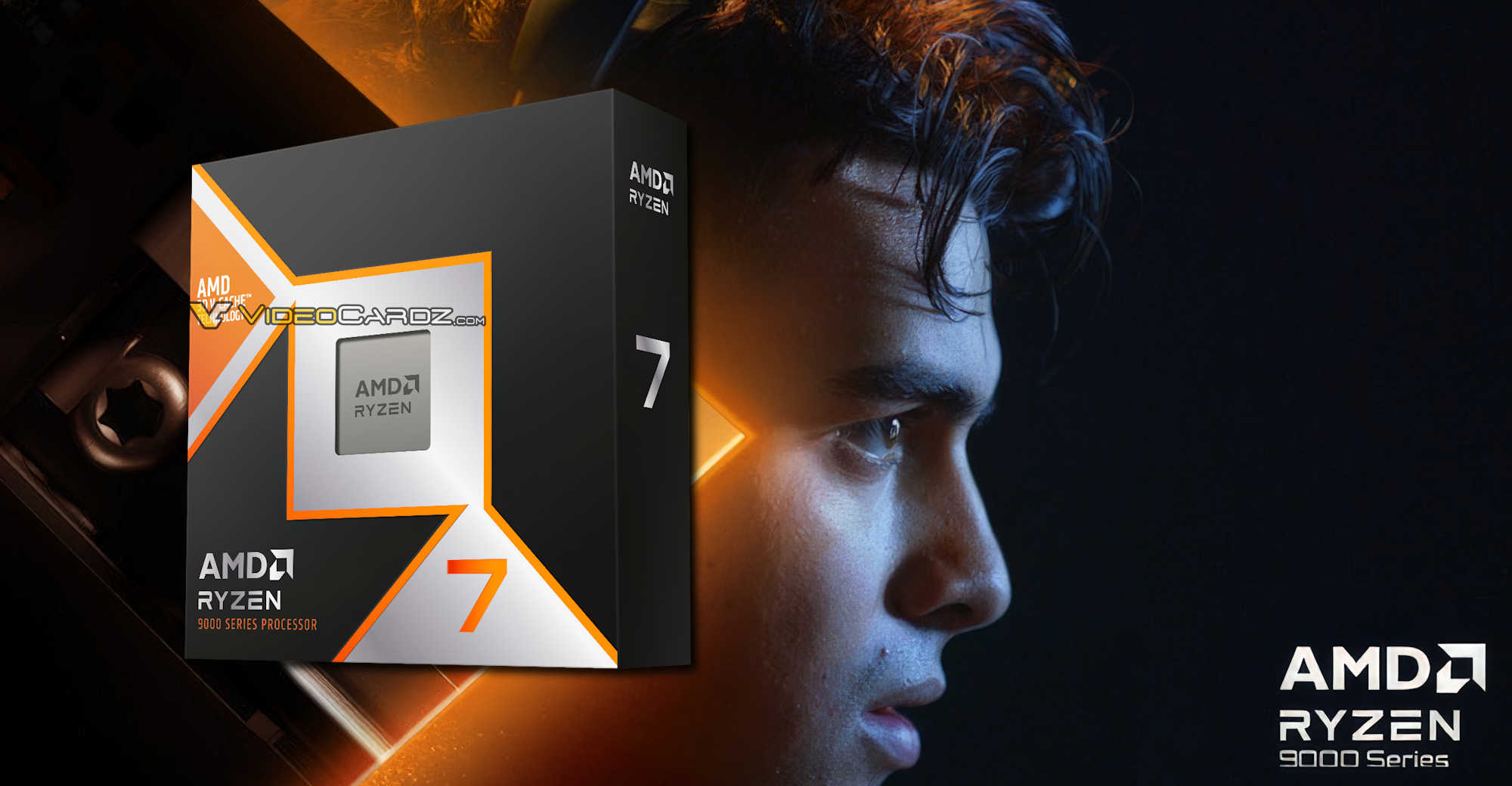
Why a pile of on-chip memory matters more for games than clock speed, and what that means for your next build
For years the gaming CPU fight was about clock speed and core count. Then AMD stacked a slab of extra cache on top of a Ryzen chip, and the scoreboard changed. Today the Ryzen 7 9800X3D is the chip gamers ask us about by name, and it isn't the fastest-clocked or the most-cored CPU on the shelf.
Now Intel looks ready to play the same game. A leaked Nova Lake table that surfaced at the start of October reportedly lists "BFC" chips with up to 144MB of L3 cache, and AMD has just launched its first Zen 6 chips to data centers. So here's the plain-English version of why cache matters, what each side has (and reportedly has coming), and whether you should buy now or wait.
WHAT CACHE ACTUALLY DOES IN A GAME
Think of your CPU as a cook working a busy line. The cache is the prep station right at the cook's elbow. System RAM is the walk-in cooler down the hall. Every time the cook needs something that isn't on the prep station, they stop and walk to the cooler. The walk isn't long, but it happens thousands of times a second, and every trip is time the cook isn't cooking.
Games are full of those trips. Every frame, the CPU juggles physics, AI, player positions, draw calls for the GPU, and a long list of small bits of data it needs right now. A bigger L3 cache means more of that data is already sitting at the prep station, so the CPU makes fewer trips to RAM. The result:
- Higher average frame rates in games that lean on the CPU.
- Better 1% lows. This is the big one. 1% lows measure your worst frames, the hitches and stutters you actually feel. Fewer trips to RAM means fewer of those slow frames.
- The biggest gains when you're CPU-bound. That usually means 1080p or 1440p with a fast GPU and a high-refresh monitor, where the graphics card is waiting on the CPU instead of the other way around.
WHEN CACHE MATTERS LESS
At 4K with max settings, the GPU is usually the bottleneck, so the CPU has more time per frame and extra cache shows up less. A big-cache chip still helps 1% lows, but if you play mostly at 4K, your money usually does more on the graphics card. Our 120Hz optimization guide covers how to tell which side is holding you back.
AMD'S HEAD START: 3D V-CACHE
AMD's answer is 3D V-Cache: an extra layer of cache stacked directly onto the processor. The current gaming poster child is the Ryzen 7 9800X3D, with 8 cores, 16 threads and 96MB of L3 cache. Eight cores is plenty for gaming, and that 96MB of L3 is what keeps it at the top of so many gaming charts.
It's also why it's one of the two CPU options in our Wrangler build. If someone tells us they mostly game, play competitive shooters on a high-refresh monitor, or fight stutter in big open-world titles, the 9800X3D is usually where the conversation starts. We dig into the wider platform tradeoffs on our Intel vs AMD page.
The other half of AMD's pitch is the socket. AMD said at Computex 2026 that AM5 will be supported through 2029. In plain terms: an AM5 board you buy today is expected to have an upgrade path, which takes a lot of pressure off the "should I wait?" question.
INTEL'S RUMORED ANSWER: NOVA LAKE "BFC"
Everything in this section is a leak, so treat it that way. On October 1–2, a leaked Intel Nova Lake-S table made the rounds, reportedly listing seven desktop CPUs. Three of them carry a new "BFC" suffix and reportedly come with up to 144MB of L3 cache. Based on the leak, "BFC" appears to mark big-cache gaming chips aimed squarely at AMD's X3D parts.
| Leaked Model | Reported Cores | Notes |
|---|---|---|
| Core Ultra 9 4970K BFC | 28 (8 P + 16 E + 4 LP-E) | Listed at 125W |
| Core Ultra 7 4870K BFC | 24 | — |
| Core Ultra 7 4850K | 24 | — |
| Core Ultra 5 4650K | 22 | — |
Source: leaked table as reported by Tom's Hardware and Guru3D. Not confirmed by Intel.
Two more things from earlier reporting matter for buyers. Nova Lake reportedly uses a new LGA 1954 socket, so it needs a new motherboard; current LGA 1851 boards won't take it. And a leaked schedule points to retail availability in Q1 2027, which is a rumor, not a launch date.
If the leak holds up, it's good news for everybody. Real competition on cache means more choice and sharper pricing on gaming CPUs. But a leaked spec table isn't a benchmark, and we won't guess how these chips perform until independent reviews land.
ZEN 6 IS REAL, BUT NOT ON YOUR DESK YET
On September 30, AMD officially launched EPYC 9006 "Venice", its first Zen 6 chips. They're server parts: 31 models ranging from an 8-core chip at $700 to the 256-core EPYC 9996 at $14,904, built on TSMC's N3E process. You won't be gaming on one, but it proves Zen 6 is out of the lab and shipping.
Desktop Zen 6, reportedly codenamed "Olympic Ridge," is headed to AM5. Reports point to early 2027, but that timing is a rumor, and AMD hasn't announced desktop Zen 6 models or whether X3D versions are part of the first wave. For the longer view, our Zen 7 leak breakdown covers what's reportedly coming after that.
BUY NOW OR WAIT?
Here's the honest version, by situation.
BUY NOW — If You Want to Game This Year
If your current PC is struggling, there's no reason to sit on your hands. The Ryzen 7 9800X3D is a proven gaming chip today, and with AMD saying AM5 is supported through 2029, you're buying into a platform with room to grow. Nova Lake BFC is a leak with a rumored Q1 2027 window, and desktop Zen 6 timing is also unconfirmed. Waiting on rumors means months of gaming on hardware you're already unhappy with.
WAIT — If Your Current Rig Is Still Doing the Job
If you're happy with your frame rates and just curious what's next, waiting costs you nothing. By early 2027 we should have real reviews of Intel's big-cache chips, and possibly a clearer picture of desktop Zen 6. Just keep in mind that a Nova Lake upgrade reportedly means a new LGA 1954 motherboard, so budget for a platform change, not just a CPU.
DON'T STRESS IT — If You Mostly Play at 4K
At 4K, the GPU does most of the heavy lifting. A big-cache CPU still helps smooth out the worst frames, but your graphics card matters more. Spend there first, then pick the CPU that fits your budget and what else you do on the machine.
OUR TAKE
Cache has gone from a spec-sheet footnote to the main event for gaming CPUs. AMD has a real head start with 3D V-Cache and a socket it has committed to through 2029. Intel's rumored BFC chips suggest it sees the same thing, and if they hold up, gamers win from the competition. But a leak is a leak. We build on what's shipping and proven, and right now that's the 9800X3D for a gaming-first rig.
Planning a build around this fall's releases? Check out what this month's big games ask for in our October 2026 games PC requirements roundup, and see how much RAM and storage you need in 2026 so the rest of the system keeps up with your CPU.
BUILD AROUND THE RIGHT CPU
Pick a 9800X3D in the Wrangler, or spec every part yourself in the Custom Builder. Not sure which chip fits how you play? Ask us and we'll give you the straight answer.
OPEN THE CUSTOM BUILDER SEE THE WRANGLERSOURCES
- Tom's Hardware: Rumored Intel Nova Lake table lists three BFC chips with up to 144MB of L3
- Guru3D: Intel Nova Lake leak lists seven CPUs and new BFC cache suffix
- Tom's Hardware: AMD EPYC 9006 Zen 6 Venice full specs and pricing
- TechSpot: AMD's new EPYC Venice lineup starts at $700
- AMD: Computex 2026, 10 Years of AM4, AM5 Support Through 2029